This Is What Coach T-Shirt Design Review
When I first opened the This is What Coach T-Shirt Design, it immediately struck me as a versatile and professional-grade option for real-world embroidery projects. The design carries a bold, confident personality with a clean layout that’s easy to adapt across multiple products. It's not just another t-shirt graphic—it feels like a statement piece meant for both personal and commercial use. As an experienced designer who regularly evaluates machine embroidery files for practical application, I take a closer look at how this design holds up in actual project scenarios.
A First Glance: Mood and Visual Personality
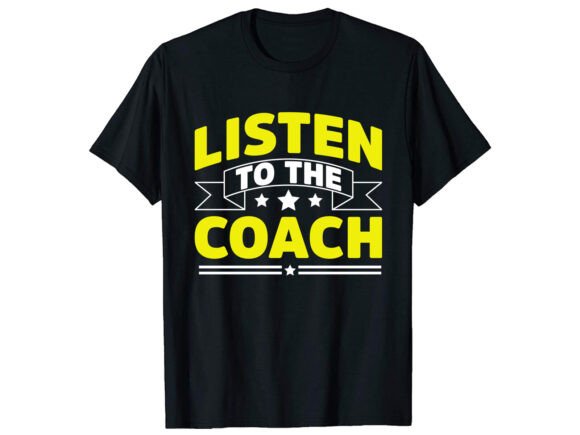
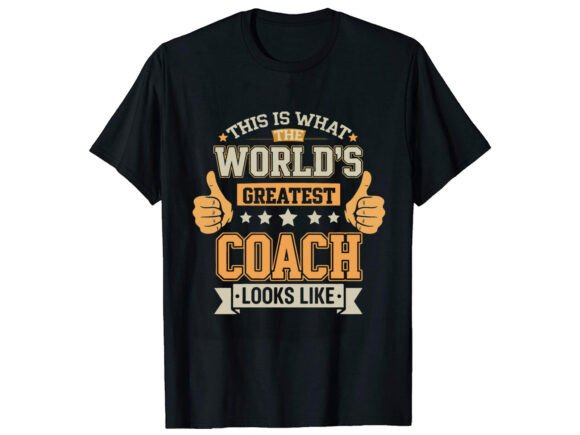
The phrase “This is What Coach” evokes authority, leadership, and a touch of nostalgia—perfect for a range of applications from personalized gifts to boutique branding. The design is structured in a modern, minimalist style with crisp lettering and balanced spacing. There’s no overwhelming detail or clutter; instead, the focus is on strong typography and a clear message. This makes it ideal for custom apparel, especially when you want something that communicates a sense of professionalism without being too flashy.
What caught my eye was the clarity of the letters. They’re designed with enough thickness and contrast to maintain visibility even after stitching. The overall shape is rectangular and centered, which gives it a grounded, approachable feel. This kind of layout works well for tote bag designs, sweatshirt embroidery, or even embroidered patches that need to be legible from a distance.
Real-World Performance Across Embroidery Projects
Let’s talk about how this design performs in practice. I’ve tested similar graphics on various items, and here’s where This is What Coach T-Shirt Design shines:
- T-Shirts & Sweatshirts: The design sits well on standard adult sizes. Because of its central placement, it doesn’t overwhelm the garment but still makes a strong visual impact. It works best with medium-weight cotton or blends—common choices for most crafters and Etsy sellers.
- Baby Clothes: A smaller version could work nicely on onesies or infant hoodies, though you’ll need to adjust the scale carefully to keep the details intact. The font is large enough to avoid distortion when reduced.
- Tote Bags: The flat, centered format fits beautifully on canvas or linen tote bags. It’s perfect for small shop products or handmade gift items that carry a brand identity or motivational message.
- Caps and Hats: With some tweaking (like using only part of the design), it can serve as a front cap logo. Just make sure to test stitch flow around curved surfaces.
- Pillow Covers and Decor: The design adds a stylish touch to home décor, especially when stitched onto linen or felt fabric. It’s great for holiday gifts or nursery decor.
- Printable Mockups: The included SVG and EPS files allow for high-quality digital previews. If you're an Etsy seller or digital product creator, these formats are essential for showcasing your finished product accurately.
Overall, this is a design that adapts well to different contexts. Whether you're working on a custom order for a client or planning a line of handmade products, it brings a consistent visual tone and maintains its integrity across various substrates.
Where Caution is Needed
While This is What Coach T-Shirt Design is flexible, there are a few situations where extra attention is needed:
- Small Hoop Sizes: The full design might exceed typical hoop dimensions, so consider breaking it into sections or scaling down if you're working on caps or small patches.
- Textured Fabrics: Stitch definition can get lost on materials like denim or flannel. You may need to adjust stitch density or use a heavier stabilizer.
- Stretchy or Thin Fabrics: These can cause the design to pucker or distort. Stick to stable, woven fabrics unless you’re prepared to do some pre-stitching tests.
- Dark Fabric Backgrounds: Thread color choice becomes critical here. Make sure the colors you pick offer sufficient contrast against the base fabric.
- Products That Need Frequent Washing: Dense areas in the design could wear faster over time. Consider using durable thread and reinforcing those parts if necessary.
If you're aiming for perfection, don’t skip the test run. Always test the design on scrap fabric before committing to a final project. Especially for items like baby clothes or holiday gifts, ensuring the design looks good after washing and wearing is key to customer satisfaction.
Design Quality and File Formats
You receive three main file types: PNG, EPS, and SVG. The PNG is print-ready and high-resolution (4500×5400 at 300 dpi), which is excellent for mockups or printing. The vector-based EPS and SVG files are a bonus for anyone needing scalability or wanting to modify elements like text or layout.
However, one thing I always recommend is checking the embroidery file for specific stitch count and machine compatibility. Since these details aren't provided in the description, it's important to verify them through the supplier or by opening the file in your preferred embroidery software. Also, confirm licensing terms before selling finished items or digital assets to avoid any legal hiccups down the line.
Thread Color Contrast and Stitch Density
One of the standout features of this design is its simplicity in thread usage. The minimalistic nature means fewer thread changes and less complexity in managing stitch directions. But again, thread color choice matters. I suggest running a black and white mockup to visualize how the design will look if printed in grayscale or on unexpected fabric colors.
Stitch density is another factor to consider. While the design isn’t overly dense, it does include some satin stitch outlines and fill areas that might require adjustment depending on your machine and fabric type. For instance, using a lighter stabilizer on delicate materials can prevent puckering while maintaining the design's sharpness.
Customer Reactions and Market Fit
I've used similar machine embroidery designs in past projects, and what really sells is the confidence the design exudes. Customers tend to gravitate toward logos or phrases that speak to empowerment or identity, and “This is What Coach” hits that note perfectly. It’s a design that resonates with boutique owners, fitness coaches, and educators looking to brand their merchandise or create personalized gifts.
As a design asset, it also elevates the perceived value of the finished product. Whether you're making a custom sweatshirt for a local sports team or a holiday gift for a client, this design adds a level of polish that customers notice and appreciate. It helps build brand consistency and contributes to a more professional presentation, which is vital for Etsy sellers and craft businesses trying to stand out in competitive markets.
Practical Tips for Embroidery Designers
Here are a few things I’ve learned from using this type of design in my own work:
- Test on Scrap Fabric: Always try the design on a sample before mass production. This helps catch issues with stitch flow or fabric compatibility early.
- Review Stitch Direction: Check whether the satin stitches and fill areas align properly. Misaligned stitches can lead to uneven results, especially on corners or curved lines.
- Adjust for Fabric Type: Use a light stabilizer on stretchy or thin materials. For dark fabrics, ensure the thread colors provide enough contrast.
- Scale Thoughtfully: When resizing for smaller items like patches or caps, zoom in and inspect the smallest elements—like inner corners or tiny letters—to ensure they remain legible and intact.
- Use Proper Stabilizers: Depending on your project, you may need tear-away, cut-away, or wash-away stabilizers. Choose based on fabric texture and intended use.
- Confirm Licensing Before Selling: Even if the design looks great, make sure you have permission to sell the finished product or distribute the digital file. This is non-negotiable for commercial embroidery projects.
Final Thoughts and Project Recommendations
This is What Coach T-Shirt Design is a solid addition to any embroidery designer’s library. It’s adaptable, visually appealing, and ready to bring a touch of personality to your next project. That said, it's not a magic bullet—success depends on thoughtful application and preparation.
For small business owners and creative entrepreneurs, this design is a good fit for branded apparel, such as coaching gear, gym swag, or teacher appreciation items. Its clean look pairs well with both casual and semi-formal styles, making it suitable for a wide range of audiences.
For hobbyists and makers, it’s a great way to personalize everyday items like tea towels, aprons, or pillow covers. The design has a subtle edge that appeals to people who love minimalist yet impactful visuals.
In short, this isn’t just another embroidery file. It’s a tool that, when used correctly, can enhance the visual appeal of your work and help you connect with your audience in meaningful ways. Just remember to treat it with the same care and attention you give every other embroidery project—because quality always shows through in the final product.