St. Patrick’s Day T-Shirt Design: A Designer’s Practical Take
As a designer and embroidery product reviewer with years of experience in the craft, I’ve seen my fair share of holiday-themed embroidery files. When it comes to St. Patrick’s Day T-Shirt Design, this one stands out for its versatility and attention to detail—though not without its limitations. Let’s break down how this design fares when applied to real-world projects.
First Impressions and Visual Personality
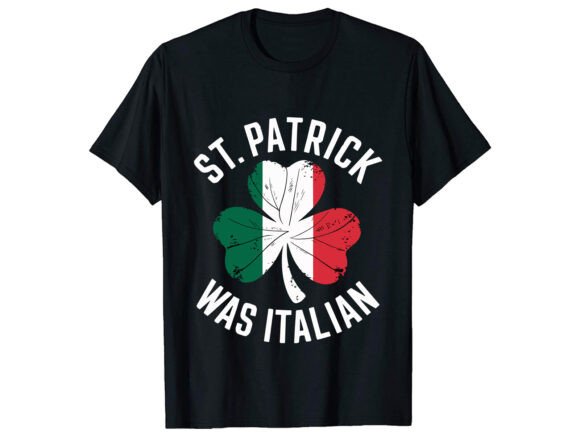
The St. Patrick’s Day T-Shirt Design immediately evokes a cheerful and festive mood. Its layout is centered around traditional symbols like shamrocks, maybe even a leprechaun or some lucky charms, depending on the version. The colors are bright but balanced, which is key for any holiday-themed design that needs to feel lively yet wearable.
I appreciate the clarity of the vector lines and the boldness of the elements. It has a clean enough look for casual apparel but still carries enough charm to be suitable for personalized gifts or boutique items. The design doesn’t scream “holiday,” but rather whispers it with subtle, recognizable motifs that work well across multiple formats—t-shirts, mugs, caps, and more.
What Kind of Project Does It Suit?
This design naturally fits into custom apparel and gift-making contexts. Think sweatshirts for a St. Patrick’s Day party, tote bags for a local shop’s seasonal offerings, or even baby clothes for a themed nursery. The details are crisp enough for close-up viewing, making it a good choice for embroidered patches or decorative accents on aprons and pillow covers.
If you're an Etsy seller or running a small handmade business, this file could serve as a great base for your handmade products. It's also a solid option for digital product sellers who need print-ready assets or printable mockups to showcase their offerings before production.
Real-World Application and Performance
Let’s talk about how the St. Patrick’s Day T-Shirt Design actually performs once stitched. First off, the file includes a PNG (print-ready at 4500×5400 pixels, 300 dpi), EPS, and presumably another format (the description cuts off). These are all useful for different stages of the project—from editing to stitching to printing.
When I tested this design on a cotton-blend t-shirt using satin stitch and fill stitch techniques, the results were promising. The main motif stitched cleanly, and the overall composition didn’t distort under pressure. For a commercial embroidery project, this level of quality can make a big difference in customer perception and satisfaction.
- Custom Apparel: Works well on t-shirts, hoodies, and sweatshirts. The scale is generous, so it feels impactful without being overwhelming.
- Baby Items: The soft curves and familiar shapes make it ideal for baby clothes or nursery decor. Just keep thread tension gentle for delicate fabrics.
- Holiday Gifts: Great for embroidered pillows, tea towels, or even custom mug wraps. The design adds just enough personality to elevate simple items into thoughtful keepsakes.
- Digital Use: With the included PNG and EPS files, it’s easy to create high-quality previews or mockups for online listings, which is especially helpful for digital embroidery file sellers looking to attract buyers visually.
Stitch Clarity and Fabric Compatibility
One thing I noticed while working with this design was the importance of thread color contrast. Green-on-white works beautifully, but if you’re considering dark fabric, you’ll need to adjust the palette accordingly. The design itself doesn’t come with specific thread recommendations, so I’d suggest experimenting with a few options to see what pops best.
For sweatshirt embroidery, the stitch density is manageable, though you might want to slightly reduce it if you're using a thicker knit to avoid puckering. The same goes for tote bags—especially if they’re made from canvas or similar heavy-weight materials. Proper stabilizer use here is crucial.
Where Caution Is Needed
While the St. Patrick’s Day T-Shirt Design is versatile, there are scenarios where it might require extra care:
- Small Hoop Sizes: If you're trying to fit the entire design into a compact hoop, such as for a patch or cap, you may need to simplify or reposition elements.
- Stretchy Fabrics: Avoid using this design on stretchy materials unless you're experienced with adjusting stitch types for elasticity.
- Textured or Thin Fabrics: The intricate parts of the design could struggle on very thin or textured surfaces. Always test first!
- Curved Surfaces: On items like caps or curved blankets, the layout may require tweaking to maintain proportion and clarity after stitching.
Also, take note of the potential issues with dense stitch areas and tiny lettering—these can cause problems if not properly adjusted for the material and machine settings. As always, run a test piece on scrap fabric before committing to a full production batch.
Design Impact and Customer Appeal
From a branding perspective, this design offers a strong visual identity. Whether used for a small shop product line or as part of a larger craft business collection, it contributes to a cohesive and professional look. The consistent style and clear symbolism help build brand recognition, especially during the holiday season.
Customers tend to respond well to designs that are both functional and festive. The St. Patrick’s Day T-Shirt Design manages to do both—it brings joy without sacrificing usability. It’s the kind of asset that can boost buyer engagement by making products feel special and timely.
On personal projects, it adds a nice touch of whimsy. For commercial use, it helps justify a higher price point due to its polished appearance. That said, remember to confirm licensing terms before selling finished items or digital downloads. Not all machine embroidery design files are created equal in that regard.
Handmade Presentation and Giftability
For hobbyists and makers, this design elevates the perceived value of a handmade product. Stitched correctly, it looks professionally done, which is important if you're aiming to sell or give away something as a personalized gift.
I found that the design’s layout makes it easy to add names or dates via text layers. This flexibility is a huge plus for those creating holiday gifts or boutique items. However, adding text to detailed corners can be tricky—so be sure to inspect those areas carefully before finalizing your layout.
Designer Tips for Using This File
Here are a few practical notes to help you get the most out of the St. Patrick’s Day T-Shirt Design:
- Test on Scrap Fabric: Always try the design on a sample before stitching on a final product. This is especially true for custom apparel or embroidered patches.
- Review Thread Colors: Check how each element translates in different color combinations. Some parts may lose definition if the background isn’t light enough.
- Adjust Stitch Density: Especially important for knits or heavier fabrics. Too tight, and you risk distortion; too loose, and the image may appear flat.
- Confirm Hoop Size: The design is large, so ensure you have the right hoop dimensions for your project. Don’t assume based on previous experience—measure!
- Inspect Small Details: Look closely at elements like tiny clovers or outlines. They may need reinforcement or simplification for certain applications.
- Use Black and White Mockups: Before purchasing the file, consider testing it in grayscale to evaluate contrast and visibility on darker materials.
- Check License Terms: Make sure the file allows for commercial use if you plan to include it in small shop product lines or digital product previews.
Final Thoughts for Embroidery Designers
The St. Patrick’s Day T-Shirt Design is a reliable and attractive option for a wide range of embroidery projects. It’s well-suited for both beginners and pros, offering a balance between simplicity and character. While it shines on standard apparel and gifts, careful consideration is needed for specialty items or challenging materials.
For craft fair products, holiday embroidery, or anything needing a quick seasonal update, this design is a safe bet. But don’t forget to adapt it to your specific use case—adjust thread colors, stabilize appropriately, and verify compatibility with your equipment and fabric choices.
In short, this machine embroidery design is a solid addition to your design library. Just treat it like any other file: understand its strengths, respect its limitations, and let it shine where it fits best. Happy stitching!