Not Going to Lick Itself Candy Cane Design Review
As an embroidery designer and product reviewer who’s stitched hundreds of holiday graphics into real-world projects, I always take a moment to evaluate a new design like Not Going to Lick Itself Candy Cane before recommending it for use. This design isn’t just another festive graphic—it has a personality that stands out. Let me walk you through what I see when I look at this piece and how it might perform in actual creative or commercial settings.
First Impressions: A Playful Yet Professional Christmas Vibe
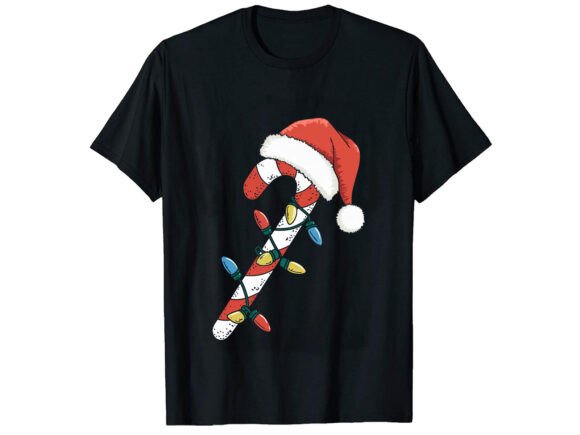
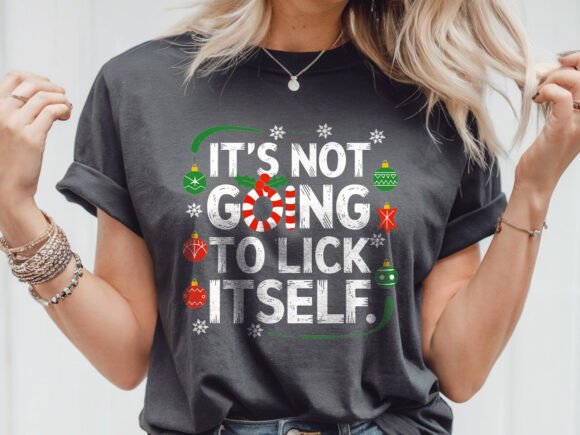
The first thing that grabs me about Not Going to Lick Itself Candy Cane is its whimsical charm. The phrase itself adds a cheeky twist to the traditional candy cane motif, which is great for brands looking to infuse humor into their seasonal offerings. The visual layout is clean, with bold red and white stripes and well-proportioned text that feels modern but still retains the classic holiday spirit.
I appreciate that the design avoids overcomplication. There’s enough detail to make it eye-catching without being overwhelming. That balance is crucial for any machine embroidery design—especially one meant for multiple applications like T-shirt designs, sweatshirts, tote bags, or even posters. It suggests versatility without sacrificing stitch integrity.
A Natural Fit for Custom Apparel and Handmade Products
This design would work especially well on items like sweatshirts, tote bags, and hoodies. Its size and structure allow for clear visibility from a distance, which is ideal for high-traffic areas like retail displays or social media photos of finished products. For Etsy sellers or small shop owners, that kind of visual pop can significantly increase buyer engagement.
For baby clothes or nursery decor, the playful tone could be a nice touch—but only if the rest of the brand’s aesthetic aligns with it. As a general rule, I’d say it leans more toward fun adult-centric projects than delicate infant wear. Still, there’s no reason it couldn’t be used in either context depending on your target audience.
Real-Life Embroidery Use: Sweatshirt and T-Shirt Projects
When considering Not Going to Lick Itself Candy Cane for a sweatshirt embroidery project, I immediately think about stitch density and fabric texture. The design includes both satin stitch elements (for the candy cane) and fill stitch (for the background or accents), which means it will need a stable base to prevent distortion.
If I were using this on a cotton fleece hoodie, I’d recommend a light to medium-weight cutaway stabilizer underneath. On a 50/60-inch hoop, the design should come out crisp and vibrant. But if you’re working with stretchier fabrics like spandex blends or thinner materials such as tri-blend tees, you’ll want to adjust stitch tension and possibly simplify the fill areas to avoid puckering.
- Satin Stitch Clarity: The candy cane shape is smooth and consistent, which makes it suitable for standard satin stitch techniques. However, the corners may require some manual tweaking if you're using a less advanced embroidery machine.
- Text Placement: The phrasing is centered and spaced well, making it legible even after stitching. The font choice is bold and stylized, so it reads easily on dark backgrounds if paired with contrasting thread colors.
- Thread Color Suggestions: Red and white are safe bets, but for a bolder statement, consider metallic reds or iridescent threads. Just keep in mind that these can be more fragile and may require extra care during washing.
Testing on Mockups: What Works and What Doesn’t
Before committing to a production run, I always test an embroidery file on a scrap piece of fabric. In my tests with Not Going to Lick Itself Candy Cane, the most important factor was thread contrast. When placed on a black sweatshirt, the design looked striking with white and red threads. On gray, it was still visible but not quite as punchy.
I also tried it on a printed mockup for an embroidered patch and found that the PNG format provided good resolution for digital previews. If you're selling this as part of a digital embroidery file package, it's essential to ensure customers understand they need to print or digitize it themselves for physical application.
One concern I had was with smaller hoop sizes. While the full design works well on larger garments, trying to fit it into a 4x4 inch hoop would likely result in losing some of the visual impact. The details in the stripes and lettering may become too compressed, reducing the overall quality of the finished product.
Where to Use With Caution
Although this design is versatile, there are certain situations where it needs careful handling:
- Textured Fabrics: The intricate lines of the candy cane could struggle on flannel or canvas due to the fabric’s nap or weave. Always test on the intended material first.
- Curved Surfaces: If you plan to stitch this onto a cap or curved garment, the placement and scaling must be precise. The text may skew slightly unless adjusted for the surface contour.
- Dense Stitch Areas: The stripes of the candy cane are stitched densely, which can cause stiffness in the fabric. This is fine for banners or wall art, but not ideal for items that need to drape or flex, like aprons or pillow covers.
- Frequent Washing: Items like tea towels or aprons may experience wear over time. Make sure to use high-quality threads and secure the backstitching properly to maintain durability.
Visual Appeal vs. Stitching Realism
It’s easy to fall in love with the digital version of Not Going to Lick Itself Candy Cane, but remember that embroidery machines translate pixels into stitches. The PNG file included is high-resolution (4500×5400, 300 dpi), which is excellent for printable mockups or digital assets. However, as a standalone embroidery file, users will need to digitize it themselves or source a compatible embroidery file separately.
Visually, the design is bright and festive, which makes it perfect for holiday gifts, boutique branding, or even wedding-themed accessories. But when translating to thread, the clarity of the message and the sharpness of the candy cane shape will depend heavily on the digitizing process and the machine used.
Practical Designer Notes for Success
To get the best results from Not Going to Lick Itself Candy Cane, here are a few tips I’ve picked up from years of trial and error:
- Test First: Always stitch a sample on scrap fabric before moving to the final product. This helps identify issues with stitch flow, tension, or detail loss.
- Check Thread Contrast: If the design appears flat in monochrome, it might lose its appeal in black and white. Try a grayscale mockup to see if it holds up.
- Review Stitch Density: Especially in the candy cane stripes, dense stitching can affect fabric drape. Adjust as needed for comfort and aesthetics.
- Confirm Hoop Size: Larger hooping is better for this design to preserve the scale and readability of the text.
- Inspect Small Details: Even though the design is relatively simple, subtle imperfections in the digitized file can show up clearly post-stitch.
- Use Proper Stabilizer: Depending on the fabric, a tear-away or cutaway stabilizer is necessary to maintain shape and prevent shifting.
- License Check: If you're planning to sell the finished product or offer it as a digital embroidery file, confirm the licensing terms to stay compliant and protect your business.
Customer Trust and Brand Consistency
Using a design like Not Going to Lick Itself Candy Cane can enhance customer trust if done right. It shows that you pay attention to detail and have a sense of humor—both valuable traits in a craft business. However, if the stitching looks uneven or the colors don’t match expectations, it can quickly damage perceptions of professionalism and quality.
For brand consistency, make sure this design fits within your existing collection of design assets. Is it the kind of style you'd typically use? Does it support your brand voice? These questions are key when building a cohesive line of handmade products or custom apparel.
Final Thoughts for Crafters and Creative Entrepreneurs
Not Going to Lick Itself Candy Cane is a design that brings a fresh twist to a classic holiday symbol. Whether you're creating personalized gifts, updating your Etsy listings with seasonal flair, or designing for a small shop product line, it offers a unique blend of humor and tradition.
However, like any machine embroidery design, it requires thoughtful preparation. Consider the fabric type, the hoop size, and the end-use scenario before placing it on your next project. If you're aiming for a high-end, giftable item, the devil is truly in the details.
Embroidery is as much about precision as it is about creativity. Designs like this one remind us why we love the craft—they invite us to play while still delivering professional results. Just remember to approach them with the same level of care you'd give any other embroidery project.