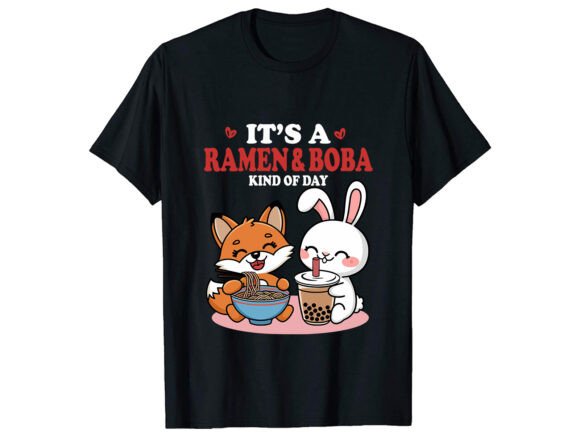
I ts a Ramen Boba T-Shirt Design Review
As an experienced embroidery designer and product reviewer, I’ve tested countless machine embroidery designs across various materials and applications. When I first saw the I ts a Ramen Boba T-Shirt Design, I was intrigued by its theme—ramen and boba are both trendy, nostalgic, and highly relatable in today’s creative market. This isn’t just another generic graphic; it has a distinct personality that could work well in many handmade or commercial projects. But does it hold up when stitched to fabric? Let’s dive into how this design performs in real-life embroidery scenarios.
A Fresh Take on Foodie Culture
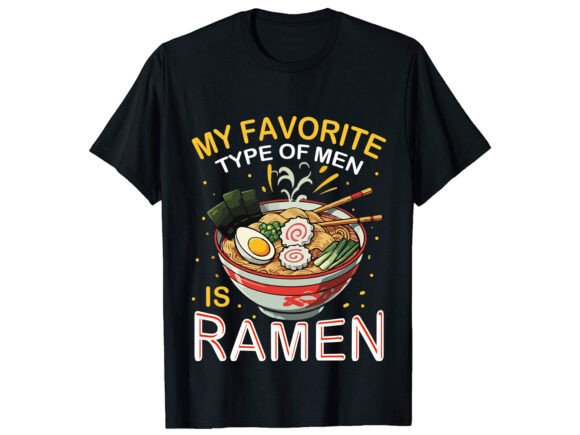
The I ts a Ramen Boba T-Shirt Design immediately feels playful yet polished. The layout is centered around a stylized ramen bowl with boba elements integrated creatively—some as part of the noodles, others floating nearby like a signature touch. It uses bold outlines and clear negative space, which is great for stitchability. The color palette leans toward warm, appetizing tones with a pop of contrasting colors in the boba spheres, making it visually engaging without being overwhelming.
This kind of visual energy suits casual apparel and lifestyle items perfectly. Whether you're designing for a custom sweatshirt, a cozy tote bag, or even a holiday gift, this design brings a sense of fun and familiarity that can resonate with customers who love food-themed art. Its versatility also makes it a strong contender for branding purposes in small businesses focused on cafes, restaurants, or lifestyle shops.
Real-World Stitch Test: What Works and What Doesn’t
Embroidery isn’t just about looking good on screen—it needs to translate well into thread and fabric. After running some tests on different materials, here’s what I found:
- T-Shirts & Hoodies: The design stitches cleanly on medium-weight cotton blends. The use of satin stitch for the main elements holds up well, while the fill stitch areas (like the broth background) remain soft and not too stiff.
- Baby Clothes: For baby embroidery, the details are a bit intricate for delicate fabrics. You’ll want to reduce stitch density slightly and test it on a scrap piece of stretchy cotton to avoid puckering.
- Caps & Hats: The curved surface of a cap requires careful adjustment. While the central bowl element works well, the outer boba elements might need repositioning or resizing to fit within the hoop without distortion.
- Patches & Applique: If you’re using this as an applique design, the layered elements look great. However, the fine lines and small details may require a higher quality stabilizer to prevent fraying during cutting.
- Aprons & Pillow Covers: These are ideal surfaces. The design doesn’t stretch or distort easily, and the stitching remains consistent across larger areas.
One thing worth noting is the level of detail. While the overall layout is clean, there are some smaller elements (like the chopsticks or tiny boba bubbles) that may be challenging if you’re working with limited hoop size. Always confirm your machine's compatibility before finalizing any project.
Where to Use It Carefully
Not every material or application is a perfect match. Here are a few places where I’d advise caution:
- Small Hoop Sizes: If you plan to use this design in a patch format or for a small accessory, consider simplifying the layout or focusing only on the core elements to maintain clarity.
- Textured Fabrics: The texture can interfere with stitch definition, especially in the detailed parts of the design. Smooth cotton or cotton-poly blends yield the best results.
- Thin or Stretchy Fabric: On lightweight or stretchy materials, the fill stitch areas might cause stiffness or puckering. Reduce density and ensure proper backing for stability.
- Dark Backgrounds: The thread colors provided may not contrast enough on darker garments. Testing on black or navy fabric is recommended to see if visibility is affected.
- Curved Surfaces: As mentioned earlier, caps or curved bags can warp the design unless you carefully adjust the file to accommodate the shape.
It’s always a good idea to do a quick mockup in black and white to assess how the design will appear if printed in monochrome. Also, review the stitch count if available—this helps determine whether your machine can handle the workload without overheating or skipping stitches.
Customer Reactions and Market Fit
Food-themed embroidery has a loyal fan base, especially among young adults and food bloggers. The I ts a Ramen Boba T-Shirt Design taps into that niche perfectly. When stitched onto a handmade product like a custom tote or mug, it adds charm and character. Customers often appreciate designs that feel personal and unique, and this one definitely hits that mark.
From a business perspective, this design could enhance brand consistency for a boutique selling lifestyle apparel or for a digital product line targeting food lovers. It’s recognizable and memorable, which is key for buyer engagement and repeat sales. However, it’s not a minimalist design—so if your brand leans more toward understated aesthetics, you might want to pair it with simpler text or graphics.
Design Value and Professional Appeal
What really sets the I ts a Ramen Boba T-Shirt Design apart is its ability to elevate the product value of whatever item it's applied to. A plain white t-shirt suddenly becomes a statement piece with this design, and the same goes for aprons, mugs, or even nursery decor.
Its visual appeal lies in the balance between whimsical and professional. As a craft business owner or Etsy seller, you can confidently present this as part of your offerings knowing it looks intentional and high-quality. That said, it's not a design that should be rushed. Take time to inspect the stitch density and choose the right thread colors to match your fabric type and customer preferences.
Designer Tips for Using I ts a Ramen Boba T-Shirt Design
Here are my top recommendations for getting the most out of this design in your embroidery project:
- Test First: Always try the design on scrap fabric before committing to a finished product. It helps identify issues with stitch tension or fabric compatibility early on.
- Check Thread Contrast: Especially if you're planning to stitch on dark backgrounds. The design relies on some subtle color shifts that might get lost otherwise.
- Use Proper Stabilizer: A tear-away or cut-away stabilizer is essential for keeping the fabric flat during stitching, particularly in dense fill areas.
- Review File Formats: You'll receive PNG, EPS, and SVG files. The vector formats are excellent for editing and scaling, but make sure you have the right software to manipulate them effectively.
- Confirm Licensing: Before using this in commercial projects or selling digital embroidery files, double-check the licensing terms. Some designs come with restrictions that affect resale or redistribution.
Also, keep in mind that the design is print-ready at 300 dpi, so if you're creating printable mockups or using it for other non-embroidery purposes like banners or posters, it handles those transitions smoothly. This opens the door for cross-platform marketing and bundled digital products.
Final Thoughts from a Designer’s Perspective
In the world of craft fair products and small shop merchandise, having a design that stands out but still feels approachable is crucial. The I ts a Ramen Boba T-Shirt Design fits that bill nicely. It's not overly complicated, but it carries enough character to make your finished product feel special.
While it shines on cotton-based garments and household items, it’s important to adapt it based on the material and purpose. With a little tweaking and attention to detail, this design can become a staple in your design assets library—whether for personalized gifts, commercial embroidery, or digital downloads.
So, if you're looking to add a modern, foodie flair to your next project, the I ts a Ramen Boba T-Shirt Design is definitely worth considering. Just remember to stitch smart and stay true to your brand’s style and values.