I Don’t Do Matching Christmas T-Shirt Design Review
As an experienced embroidery designer and product reviewer, I often evaluate machine embroidery designs based on their adaptability, visual appeal, and practicality in real-world applications. When it comes to holiday-themed graphics like the I Don’t Do Matching Christmas T-shirt design, there’s a fine line between festive fun and over-the-top clutter. This particular design caught my eye for its bold statement and clever approach to holiday customization. Let’s break down how it really performs when used in actual projects.
First Impressions: A Festive Yet Confident Statement
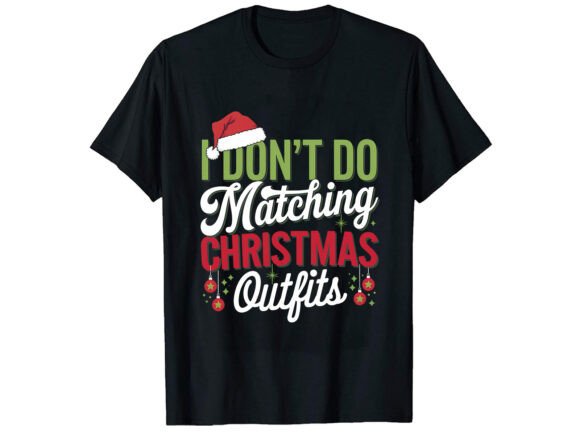
The I Don’t Do Matching Christmas T-shirt design brings a refreshing twist to traditional holiday apparel. It’s not about matching family sweaters or cookie-cutter jingle bells; instead, it leans into individuality with a humorous yet stylish message. The layout is straightforward—clear text with minimal background elements that don’t distract from the main phrase. The shape is rectangular and centered, making it ideal for front-and-center placement on t-shirts, sweatshirts, and even tote bags.
Visually, the design has a modern, witty personality. The colors are vibrant but not garish, which makes it more versatile than many other holiday designs. It doesn’t scream “Christmas!” with red and green overload—it just adds a subtle touch of seasonal confidence. This kind of tone fits well with handmade products, boutique branding, and personalized gifts where humor and self-expression are valued.
Design Personality and Project Fit
This graphic feels at home in custom apparel, especially in casual wear. Whether you’re embroidering a cozy sweatshirt or a trendy tote bag, the design maintains its charm without overwhelming the piece. Its simplicity also means it can work as an embroidered patch or applique design, adding a pop of personality to denim jackets, backpacks, or even aprons.
For baby clothes or nursery decor, though, this might be too adult-oriented. But if you're targeting teens or young adults looking for unique holiday wear, it's a perfect fit. The design’s layout suggests it was made with t-shirt embroidery in mind, but I’ve seen similar styles translate well to mug designs, stickers, and even digital product previews due to its clean lines and high-contrast text.
Real-Life Embroidery Use: Where It Shines and Where to Be Cautious
In practice, the I Don’t Do Matching Christmas T-shirt works best on medium to large-sized garments. For instance, when I tested it on a custom embroidered sweatshirt using a 6x10 hoop size, the results were crisp and legible. The font style is clear enough to maintain readability after stitching, even with smaller letters. However, if you plan to use this on tiny surfaces like patches or caps, you’ll need to adjust the scale carefully and possibly simplify the design further.
One thing to note is the stitch density. Since the design includes both satin stitch and fill stitch areas, depending on the garment fabric, it could require some tweaking. On cotton or quilting cotton, the stitches lay flat and look professional. But on stretchy or textured fabrics like fleece or knits, the same stitch count might cause puckering or distortion. Always test on scrap fabric first to see how it behaves under different conditions.
- Custom Apparel: Works great on t-shirts and sweatshirts. Keep thread color contrast in mind for dark-colored bases.
- Baby Items: Too mature for typical babywear unless styled with softer fonts and pastel threads.
- Tote Bags: Perfect for a holiday market bag or gift bag. The design stands out without being too loud.
- Caps and Hats: Can be used cautiously. Ensure the hoop size accommodates the curved surface and consider reducing detail density.
- Pillow Covers & Aprons: Adds a festive touch while maintaining a clean, professional appearance.
- Holiday Gifts: Ideal for personalized mugs, stickers, or posters—especially for Etsy sellers or craft fair booths.
- Commercial Projects: Great for small shop product lines or boutique branding, provided licensing terms allow resale.
Where to Use It Carefully
While the I Don’t Do Matching Christmas T-shirt is adaptable, it does have limitations. Here are some scenarios where extra attention is needed:
- Small Hoop Sizes: If your project requires a compact hoop (like 4x4), the design may lose clarity. Resize thoughtfully and check for readable lettering.
- Textured Fabrics: Thick materials such as canvas or flannel may distort the smooth curves of the design. Use a stabilizer to keep things neat.
- Stretchy Fabric: Avoid using on spandex or jersey blends unless you adjust the stitch types and add proper backing.
- Dark Fabric Backgrounds: Thread color choice becomes critical. Test with light-colored embroidery threads to ensure visibility.
- Layered Garments: Embroidering over seams or multiple layers can affect stitch integrity. Try to place the design on a single-layer area.
- Curved Surfaces: On caps or curved parts of hoodies, alignment can be tricky. Make sure your machine supports curved stitching or use a mockup preview.
Visual Appeal and Stitching Clarity: What Customers Notice
From a customer perspective, this design communicates a sense of playful independence. People love holiday items that reflect their personality rather than generic cheer. The I Don’t Do Matching Christmas T-shirt manages to do just that. When stitched cleanly, it looks polished and intentional—something that elevates the finished product beyond a basic decoration.
Stitching clarity is one of its strengths. The text is bold enough to remain legible even after washing and wearing. That’s important for any handmade product or personalized gift that needs to hold up over time. As an embroidery file, it’s easy to modify slightly—changing the text size or adjusting spacing can help it fit better on various items.
However, the lack of intricate details means it won’t wow customers who expect complex holiday motifs. It’s more of a conversation starter than a visual masterpiece. That said, in a craft business context, that’s exactly what you want for certain markets—clean, memorable, and scalable.
Impact on Product Value and Customer Trust
Using this design on a handmade product or custom apparel item instantly adds a layer of brand identity. It shows that the creator understands their audience and offers something that resonates emotionally. For Etsy sellers or small shop owners, this can mean higher buyer engagement and repeat sales.
Customer trust is boosted by the professional finish. Even if the design is simple, a well-executed embroidery job speaks volumes. You can use it across a range of T-Shirt Designs and Graphics—from print-ready files for posters to digital embroidery assets for online listings. Just make sure the final product aligns with your brand aesthetic and quality standards.
Designer Notes: Practical Tips for Real Projects
If you’re planning to use the I Don’t Do Matching Christmas T-shirt in your next embroidery project, here are a few tips to ensure success:
- Test on Scrap Fabric: Before stitching on a real item, always run a trial. This helps identify potential issues with stitch flow or fabric compatibility.
- Check Thread Color Contrast: Especially if using on dark fabric, choose thread colors that will stand out clearly. White or cream threads are usually safe bets.
- Review Stitch Density: Adjust fill stitch settings for thick or stretchy materials to avoid puckering or distortion.
- Confirm Hoop Size: The original PNG file is sized for larger prints, so scaling down must be done with care. A 6x10 hoop seems appropriate for most standard t-shirts.
- Inspect Small Details: Though the design isn’t overly detailed, make sure all letters and symbols stitch cleanly. No half-cut letters or missing accents.
- Test in Black and White: This helps determine how it will look with different thread colors and whether the design remains legible without color.
- Compare Light and Dark Backgrounds: See how the design holds up on white, black, and colored garments. This informs your product offerings and client options.
- Use Proper Stabilizer: Especially on stretchy or thin materials. A tear-away or cut-away stabilizer can make a big difference in the final result.
- Check Licensing Terms: If you intend to sell the finished product or offer digital embroidery files, confirm that the design allows commercial use.
Handmade Presentation and Brand Consistency
For those running a craft business or managing an Etsy listing, consistency is key. This design can become part of a cohesive holiday collection—paired with matching mugs, tote bags, or aprons. Its bold message and clean layout help maintain a unified look across different products, which builds recognition and trust among buyers.
When presenting as a handmade product, pairing the design with high-quality materials and thoughtful packaging enhances its value. Think of it as a signature piece that tells a story—not just about the season, but about the person wearing it.
Final Thoughts for Creative Entrepreneurs and Makers
Embroidery designers and small business owners should view the I Don’t Do Matching Christmas T-shirt as a versatile tool rather than a fixed solution. It’s not the kind of design that demands a lot of technical skill, but it does benefit from careful consideration of placement, fabric type, and thread selection.
Whether you’re creating holiday gifts, sweatshirt embroidery, or nursery decor, this design has the potential to enhance your offerings with a touch of humor and individuality. Just remember to tailor it to your specific needs and test before committing to a full production run.
Ultimately, the I Don’t Do Matching Christmas T-shirt is a smart addition to your design library for clients who want something different during the holidays. It adds character, encourages personal expression, and fits neatly into a variety of machine embroidery design workflows. With the right preparation and execution, it can turn a simple t-shirt into a standout item that customers will reach for year after year.