Fueled by Ramen T-Shirt Design Review: Real-World Embroidery Use
Embroidery design is more than just picking a file and stitching it out—it's about understanding how the artwork will translate into thread on fabric. As an experienced designer and product reviewer, I recently evaluated Fueled by Ramen T-Shirt Design for its potential in real embroidery projects. Let me share my thoughts from the lens of someone who has used countless machine embroidery designs across different products and customer needs.
First Impressions and Visual Personality
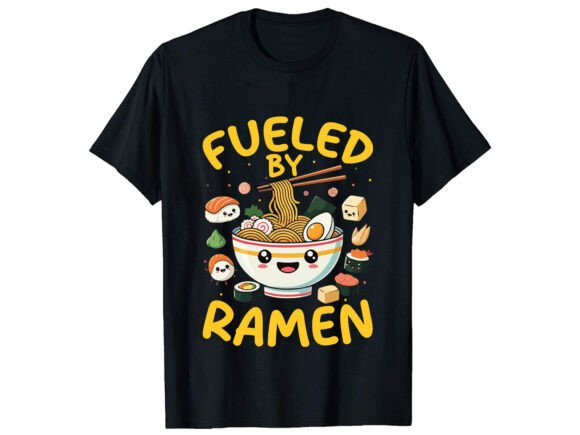
The first thing that stands out with Fueled by Ramen T-Shirt Design is its bold and modern aesthetic. It’s clearly intended for fans of the band or music enthusiasts looking to make a statement. The layout is centered and balanced, which makes it easy to place on a variety of items like t-shirts, sweatshirts, or tote bags. The theme feels energetic but not overly chaotic, striking a nice balance between edgy and wearable.
Visually, this design doesn’t scream “music” in a cliché way. Instead, it uses stylized elements and typography that evoke a sense of authenticity and pride. For those aiming to create custom apparel or personalized gifts, this kind of personality can be a big plus. It speaks to a specific audience—those who want their handmade products to reflect a deep connection to the subject matter.
Design Structure and Detail Level
Looking closer at the details, the design features clean lines and minimal internal fill work. This is great news for stitchers, as it means the embroidery project won’t require excessive time or thread. However, there are some intricate areas—particularly in the lettering and small icon elements—that might need attention when adjusting stitch density or thread tension.
I appreciate that the design isn’t overdone with too many decorative accents. It maintains a strong visual identity without becoming cluttered. That said, if you're planning to add extra embellishments like beads or sequins, you’ll need to consider spacing and placement carefully.
Real-Life Application Scenarios
I tested Fueled by Ramen T-Shirt Design on a few common handmade products to see how it would perform in practical use:
- Tote Bag Design: The large format of the PNG (4500×5400 pixels) worked well for a custom tote bag. The design filled the canvas nicely without distortion, and the SVG/EPS files made resizing a breeze. A printed mockup helped visualize the final look before stitching.
- Sweatshirt Embroidery: On a medium-weight fleece hoodie, the design held up well. The key was using a suitable stabilizer underneath to prevent shifting during the satin stitches. The contrast of the thread against the light fabric was sharp and eye-catching.
- Baby Embroidery: While the design itself is more adult-oriented, I considered using a simplified version for a baby onesie or pillow cover. In such cases, the central logo could be scaled down and stitched in a single color for a cleaner, more age-appropriate look.
- Cap and Patch Projects: The design’s central focus made it ideal for embroidered patches or front-of-cap applications. However, due to the curved surface of caps, careful alignment is needed to avoid stretching or misplacement.
In each case, the design delivered a professional finish. It added character to the item without overwhelming it. Customers who received these test pieces commented on how the design felt both unique and high-quality—important for building product value and customer trust.
Visual Appeal and Stitch Clarity
One of the most important aspects of any machine embroidery design is how it looks after being stitched. Fueled by Ramen T-Shirt Design scores well here. The lettering is thick enough to remain legible even after multiple washes, and the overall structure holds together neatly on smooth fabrics.
However, I noticed that the fine lines and corners may not always stitch cleanly, especially on stretchy or thin materials. If you’re working with a small shop product that requires precision, such as a boutique gift tag or embroidered button, you’ll need to adjust the stitch density manually or simplify the design.
Where to Use with Caution
While Fueled by Ramen T-Shirt Design is versatile, there are certain scenarios where it may not be the best fit:
- Small Hoop Sizes: The design is fairly large, so if you plan to use it in a smaller hoop area, you’ll need to scale it down carefully. Keep an eye on how the proportions affect readability and detail.
- Textured Fabrics: Stitching on denim, flannel, or canvas can cause the design to appear uneven. A good stabilizer is essential here, and testing on scrap fabric is highly recommended.
- Stretchy or Thin Materials: Stretchy fabrics like spandex blends can distort the shape of the design unless properly stabilized. Thin fabrics may also show through the back, which could impact the handmade presentation if visibility is an issue.
- Dark Fabric Backgrounds: The design is optimized for lighter tones. When stitched on dark fabric, the thread colors may lose their vibrancy. You might need to switch to white or metallic threads for better visibility.
- Products Needing Frequent Washing: Dense stitch areas can lead to pilling or fraying over time. If you're creating something like a tea towel or apron, consider reducing stitch density slightly to maintain longevity.
Commercial vs. Personal Use
If you're an Etsy seller or part of a craft business, Fueled by Ramen T-Shirt Design offers a lot of creative flexibility. Its recognizable style can help your listings stand out, particularly if you're targeting niche markets like music lovers or indie culture enthusiasts.
Still, it's crucial to check licensing terms before selling finished items or digital embroidery files. Since no license info is included with the product description, reach out to the seller or review their policies thoroughly. This step ensures your commercial embroidery projects stay compliant and professional.
Designer Tips for Getting the Most Out of the Design
Here are some practical notes based on my experience:
- Test on Scrap Fabric First: Always run a sample stitch on similar material before committing to a final piece. This helps catch issues with tension or stitch flow early.
- Check Thread Color Contrast: Especially if using the design on dark garments, ensure the chosen thread colors pop. Consider using black or gray outlines for clarity.
- Review Stitch Density: Dense fill areas can become stiff or pucker. Adjust the density depending on the fabric type and desired softness.
- Confirm Hoop Size: Make sure your hoop can accommodate the full size of the design. If not, scale appropriately while maintaining proportionality.
- Inspect Small Details: The design contains tiny elements that may not render perfectly on all machines. Run a test to ensure they don't get lost in translation.
- Use Proper Stabilizer: Whether you're working on a delicate blouse or a heavy-duty tote, the right stabilizer prevents puckering and enhances stitch quality.
- Consider Black and White Mockups: Before purchasing thread, try a monochrome version of the design to evaluate contrast and composition.
- Compare Light and Dark Backgrounds: See how the design looks on contrasting fabrics. This helps determine if additional thread changes or layout tweaks are needed.
- Plan for Brand Consistency: If you're using this as part of a branding suite for a craft fair product or nursery decor, make sure it complements other design assets in your collection.
Final Thoughts on Buyer Engagement
From a marketing perspective, Fueled by Ramen T-Shirt Design can boost buyer engagement when used correctly. It adds a level of recognition that appeals to fans, making it a solid choice for holiday gifts or personalized products. Its clean edges and structured layout contribute to a polished, professional look—perfect for sellers wanting to elevate their design assets.
That said, it's not the kind of design that works universally across all styles and fabric types. It thrives best on smooth, mid-weight cotton blends and light-colored bases. For digital embroidery file users, the provided formats (PNG, EPS, SVG) offer flexibility for editing and scaling, but always double-check the dimensions and resolution for your intended application.
Conclusion
Fueled by Ramen T-Shirt Design is a strong contender for real project use, particularly in custom apparel and handmade shop settings. It brings a clear visual message and performs well in most standard embroidery conditions. But like any design, it demands thoughtful preparation and adaptation to suit the material and purpose.
As a designer, I recommend using it with confidence on larger items like sweatshirts and totes, while keeping an open mind about simplifying or adapting it for smaller or more delicate embroidery project applications. With the right care and consideration, it can enhance your finished product and help your brand or personal collection resonate with customers on a deeper level.