Easter with My T-Shirt Design: A Practical Embroidery Evaluation
As an embroidery designer and product reviewer who’s stitched everything from baby clothes to custom sweatshirts, I always approach a new design with a critical eye. The Easter with My T-Shirt Design caught my attention not just for its holiday theme, but for how it balances charm with functionality. Let’s break down what makes this design suitable—or not—for various real-world embroidery projects.
First Impressions and Visual Personality
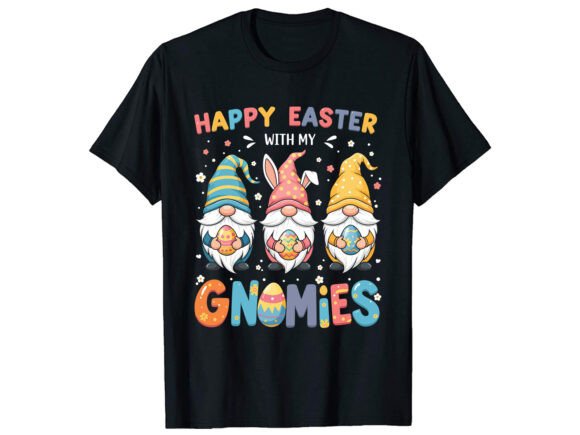
The moment I opened the print-ready PNG file (4500×5400-300 dpi), I could sense the Easter spirit. It features a cheerful layout that feels warm and inviting, perfect for springtime projects. The design centers around a stylized “Easter with My T-Shirt” phrase, flanked by pastel eggs and bunnies, creating a soft, celebratory vibe. Its visual personality is friendly and accessible, which means it can easily slot into both personal and commercial applications without feeling too flashy or too muted.
I noticed the shape of the design leans toward a centered composition, making it ideal for front-and-center placement on items like t-shirts, hoodies, and tote bags. The detail level is moderate—enough to convey a handcrafted feel without overwhelming the fabric or the viewer’s eye. This kind of balance is rare in digital graphics, especially those meant for machine embroidery, so it already scores points for being thoughtful in its execution.
Real-Life Application: Custom Apparel and Handmade Products
Let me walk you through a practical use case. Imagine preparing a custom embroidered tote bag for an Easter market. You want something that stands out but still feels welcoming. The Easter with My T-Shirt Design fits right in. The text and imagery are large enough to be legible at a glance, yet the soft color palette ensures it doesn’t clash with natural cotton or linen tote fabrics.
In sweatshirt embroidery, the design shines when using satin stitch for the lettering and fill stitch for the bunny and egg elements. The moderate density allows for good coverage without causing puckering or stiffness. For a boutique or small shop, this would make a great seasonal item—especially if paired with other Easter-themed design assets. It adds a professional touch to handmade products while maintaining a personalized aesthetic.
When to Use with Caution
While the Easter with My T-Shirt Design works well in many contexts, there are scenarios where it might require some adjustments. For instance, if you're working with small hoop sizes, the overall layout may need resizing or cropping to avoid losing important details. The same goes for textured fabrics or thin materials, where the intricate lines of the bunny or egg might get lost or distorted after stitching.
Stretchy fabrics such as rayon blends or spandex-rich knits can also be tricky. Because the design has directional elements like curved ears and tails, stretching during the embroidery process could warp these details. Always test stitch on scrap material first to ensure accuracy.
Another thing to consider is dark fabric backgrounds. While the PNG files look vibrant on white or light-colored garments, they may not stand out as clearly on darker shades. If your project involves black or navy bases, you’ll want to evaluate thread color contrast carefully before committing. The SVG and EPS formats included do help with customization, allowing you to tweak colors or adjust shapes to suit different substrates.
Stitch Clarity and Fabric Compatibility
One of the strengths of this design is how clean the stitch lines appear in the vector format. The bunny outlines and lettering are smooth, suggesting that they should translate well into machine embroidery. However, since the exact stitch count isn’t provided, it's best to open the design in your preferred embroidery software and check for any potential issues with tight curves or overlapping areas.
For embroidered patches, this design offers enough visual interest to make a statement without being too busy. But if you plan to place it on a curved surface like a cap, be mindful of the design’s proportions. Stretch and distortion are common challenges here, so a trial run is essential.
Thread Color Considerations
Though the design comes with a suggested thread palette, it's wise to experiment with different combinations. As an applique design, the thread choices will influence how dimensional and lively the finished piece looks. Opting for metallic threads in the eggs or using variegated threads in the bunny fur could elevate the design significantly.
Also, keep in mind that thread color visibility can change depending on the fabric texture. On flannel or corduroy, for example, lighter threads might fade slightly. A black and white mockup test can help determine whether the chosen thread colors will maintain their clarity post-stitching.
Commercial Viability and Brand Consistency
If you're an Etsy seller or part of a craft business, the Easter with My T-Shirt Design could serve as a solid addition to your seasonal offerings. It’s versatile enough to work across multiple platforms—whether printed on mugs, embroidered on tea towels, or used as a printable mockup for digital product previews.
What I appreciate most is how it maintains a consistent tone across all formats. Whether applied to a hoodie or a sticker, the design feels cohesive, which helps with brand recognition and customer trust. For someone selling holiday gifts, this kind of consistency is invaluable—it tells buyers that your product is thoughtfully designed and professionally executed.
Design Value and Customer Engagement
This design isn’t just about aesthetics. It carries a subtle message of joy and celebration, which can increase the perceived value of your handmade product. In the world of custom apparel, emotional appeal matters—and this design hits the sweet spot between whimsical and sophisticated.
As a commercial embroidery asset, it supports a range of applications, from nursery decor to personalized gifts. It’s particularly effective on items like pillow covers and kitchen towels, where the graphic remains visible and intact even after frequent washing. That durability factor is crucial for anyone aiming to sell small shop merchandise.
Professional Embroidery Tips for Using This Design
- Test Stitch First: Always try the design on scrap fabric before applying it to your final product. This helps catch issues with hoop size or stabilizer requirements.
- Check Thread Contrast: Especially if using it on dark or textured fabrics. Adjust thread colors accordingly to preserve visual impact.
- Review Stitch Density: Dense areas can cause puckering or stiffness. Look for ways to simplify or adjust fill stitches without compromising the design’s integrity.
- Confirm Licensing: Before selling finished products or offering digital embroidery files for resale, make sure you have the appropriate commercial license. This design seems promising for both personal and commercial embroidery projects, but terms aren't specified.
Where It Shines and Where to Be Wary
The Easter with My T-Shirt Design excels on flat surfaces like t-shirts and posters. It also looks great on larger items like blankets and banners, where the scale can really come alive. The high-resolution PNG makes it easy to preview how it will look on different materials and products.
However, I’d advise caution when applying it to layered garments or items with complex seams. The design’s structure needs enough space to breathe and sit properly. Additionally, if your machine embroidery setup uses a single stabilizer type, you might find that it requires a more tailored approach for certain textiles.
Final Thoughts for Creative Entrepreneurs
In summary, the Easter with My T-Shirt Design is a strong contender for any holiday embroidery project or seasonal handmade gift. It brings a fresh, modern take on traditional Easter themes while remaining adaptable enough for diverse uses. From sweatshirt embroidery to digital product listings, it’s a design that can grow with your creative business.
That said, no design is one-size-fits-all. Take time to assess your specific needs—machine compatibility, thread availability, and product lifespan—before going full-scale. With the right preparation, though, this design has the potential to become a staple in your embroidery project lineup.